
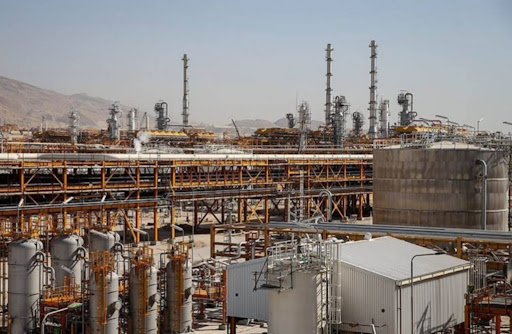
Iran’s sweeping Gulf energy strike threat left no room for diplomatic optimism on Wednesday after Israeli forces struck the South Pars gasfield — the world’s largest natural gas reserve. The Revolutionary Guards named specific facilities in Saudi Arabia, the UAE, and Qatar as imminent targets and ordered evacuation, giving their threat a specificity and credibility that made diplomatic solutions seem distant. Oil prices surged toward $110 a barrel as the threat’s scope became apparent.
South Pars, shared between Iran and Qatar, is at the center of Iran’s gas economy. The Israeli strike — reportedly with US backing — was the first direct attack on Iranian fossil fuel production in the conflict. Both Washington and Tel Aviv had previously maintained restraint around Iranian energy infrastructure, but the decision to abandon that restraint triggered Iran’s most sweeping and threatening military declaration of the war.
Iran’s state broadcaster named Saudi Arabia’s Samref refinery and Jubail complex, the UAE’s al-Hosn gasfield, and Qatar’s Mesaieed and Ras Laffan facilities as targets for strikes in the coming hours. All workers and residents were ordered to evacuate without delay. Governor Eskandar Pasalar of Asaluyeh called the US-Israeli escalation “political suicide” and declared the conflict had entered a total economic war phase.
Brent crude climbed to $108.60 per barrel — close to $110 — while European gas prices surged more than 7.5%. Gulf oil exports had already fallen 60% from pre-war levels due to infrastructure damage and Iran’s Strait of Hormuz blockade. Iran had continued to export its own crude through the strait unimpeded while blocking Gulf neighbors’ shipments — a strategic imbalance that had given Tehran a powerful economic weapon throughout the conflict.
Qatar’s government spokesperson warned that targeting energy infrastructure was a grave threat to global energy security and regional welfare. The sweeping nature of Iran’s threat, combined with specific targets and a tight timeframe, left little room for the diplomatic optimism that the international community had been trying to maintain. The coming hours would determine whether diplomacy could find any space to operate — or whether Iran’s sweeping threat would become sweeping action.
