
The current crisis must be understood within the broader context of Japanese defense policy evolution over recent years, with Prime Minister Sanae Takaichi’s statements about Taiwan representing not an isolated incident but part of a larger pattern of increasingly explicit Japanese security postures that China views as threatening. Tokyo’s defense budget increases, military capability enhancements, and strengthened alliance coordination with the United States have created a cumulative Chinese concern that Takaichi’s Taiwan remarks brought to a breaking point.
From Beijing’s perspective, Japanese willingness to discuss military involvement in Taiwan scenarios reflects fundamental shifts in Japanese security policy that threaten Chinese strategic interests. The post-World War II constraints on Japanese military capabilities and explicit defense-only postures are being replaced by more proactive security strategies that include potential power projection and intervention in regional contingencies. China views this evolution with alarm, seeing Takaichi’s statements as confirmation of trends that require strong responses.
The economic pressure China has implemented—travel advisories threatening tourism losses of $11.5 billion with over 8 million Chinese visitors in the first ten months of this year representing 23% of all arrivals, cultural restrictions, and implicit trade threats—serves strategic purposes beyond immediate Taiwan statements. Beijing likely calculates that economic costs might moderate Japanese defense policy evolution more broadly, signaling that increasingly explicit security postures carry economic consequences that could influence domestic debates about defense spending and military capabilities.
However, the strategy faces challenges because Japanese defense policy evolution reflects genuine security assessments about regional threats, not merely diplomatic preferences that economic pressure can easily modify. Japanese policymakers and publics view Chinese military modernization, activities near disputed territories, and regional assertiveness as requiring enhanced capabilities regardless of economic costs. Security constituencies that drive defense policy evolution are precisely those least susceptible to economic pressure arguments.
The disconnect between China’s economic pressure tools and the security drivers of Japanese defense policy evolution creates risk of prolonged confrontation without achieving Beijing’s objectives. Professor Liu Jiangyong indicates countermeasures will be rolled out gradually, while international relations expert Sheila A. Smith notes that domestic political constraints make compromise difficult. If Chinese economic pressure proves insufficient to moderate Japanese defense policy evolution—and security logic suggests it will be insufficient given the nature of threats Japanese policymakers perceive—the result may be sustained economic confrontation that imposes costs on both countries without achieving China’s strategic objectives of constraining Japanese military development, potentially leading to worst-case outcomes where economic relationships deteriorate while security competition intensifies rather than economic interdependence moderating security tensions as theoretical frameworks once predicted.
Japanese Defense Policy Evolution Drives China Economic Response Strategy
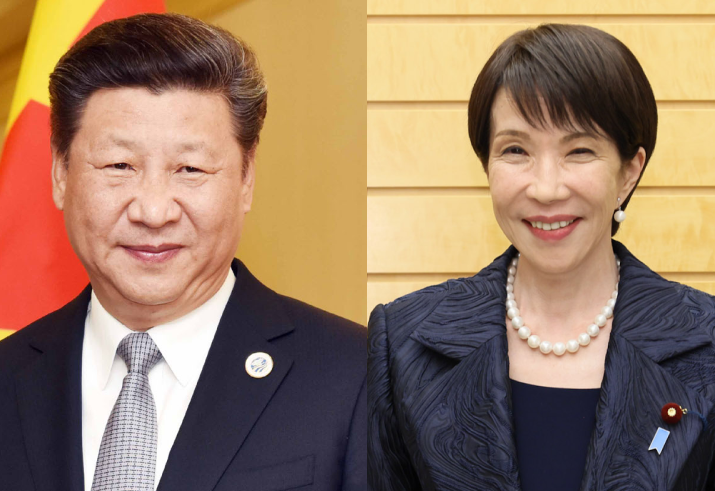
Picture credit: www.commons.wikimedia.org
7
