
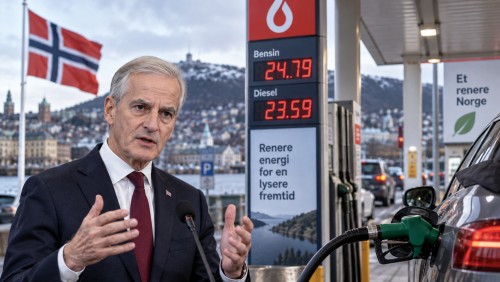
Norway’s households and businesses are feeling the pinch as global oil prices surge, pushing fuel costs higher and reigniting debates over tax relief. With the end of previous temporary fuel tax cuts on September 1, Prime Minister Jonas Gahr Støre’s government is now under pressure to address the financial strain caused by rising petrol and diesel prices.
The Center Party, responding to the growing economic burden, plans to propose a reinstatement of the fuel tax reduction when Parliament reconvenes in October. This measure, if passed, could lower fuel prices by approximately NOK 4.50 per litre, garnering support from both the Progress Party and the Christian Democrats.
In the meantime, the Progress Party is urging the Conservative Party to back their call for immediate tax cuts, emphasizing the negative impact of high fuel costs on sectors like transport and construction. Party leader Sylvi Listhaug has highlighted the urgent need for parliamentary action, noting that businesses heavily reliant on fuel are particularly vulnerable.
Within the Conservative Party itself, there is mounting internal pressure, as over 60 local chapters demand a reduction in fuel taxes. This call is most pronounced in regions where residents are heavily dependent on cars due to limited public transport options.
Despite being a major oil producer and a leader in electric vehicle adoption, Norway still sees many households and industries relying on traditional fuel sources. The high costs have even driven some Norwegians to cross into Sweden for cheaper fuel alternatives, underscoring the pressing need for a viable solution to this economic challenge.
