
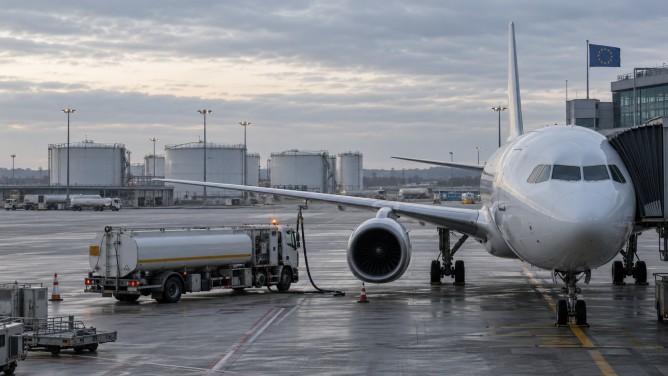
European airlines and travelers could soon face increased challenges as the continent braces for a potential jet fuel shortage. Despite boosting imports from Asia, Europe’s jet fuel reserves remain precariously low, prompting concerns about a supply squeeze in the coming months.
As of mid-September, jet fuel stocks in key European hubs—Amsterdam, Rotterdam, and Antwerp—had dwindled to their lowest point in seven years. Analysts forecast that Europe could experience a shortfall of approximately 510,000 barrels per day during the fourth quarter of 2023. This potential deficit underscores the fragile nature of the region’s fuel supply chain, even as imports from Asia have surged to about 129,000 barrels per day in September.
Contributions from countries like Canada, Nigeria, and the United States have somewhat alleviated immediate concerns, but the global energy market remains volatile. The Middle East conflict has disrupted energy supplies, particularly affecting oil prices, while incidents targeting energy infrastructure in Saudi Arabia have further strained resources.
In Sweden, the energy agency has noted that while supplies of gasoline and diesel remain stable, aviation fuel might face short-term constraints. This could lead to operational disruptions for airlines and increased costs for passengers if the situation worsens.
As Europe navigates these uncertain waters, the need for a robust and diversified energy strategy becomes increasingly critical. With geopolitical tensions impacting supply lines and market stability, the continent must remain vigilant to avert significant disruptions to its aviation sector.
